

Greece tours give every kind of traveler an easy way to see islands, ruins and old harbour towns with friendly local help. Couples, families, friends and solo visitors all find a plan that fits their pace and their budget.
This guide walks through the Cyclades, the classical sites, Athens and the larger islands. Each part covers the sights, the trip styles and what comes with them. Readers who want more ideas will find them at My Greece Tours.
Where Do Greece Tours Go In The Cyclades?
Tours in the Cyclades visit white villages, windmills, sea caves and quiet harbours, and link the islands by boat and road. Compare Greece tours and Tours In Greece to see how each plan shapes a day by the sea.
What do visitors see first in the Cyclades?
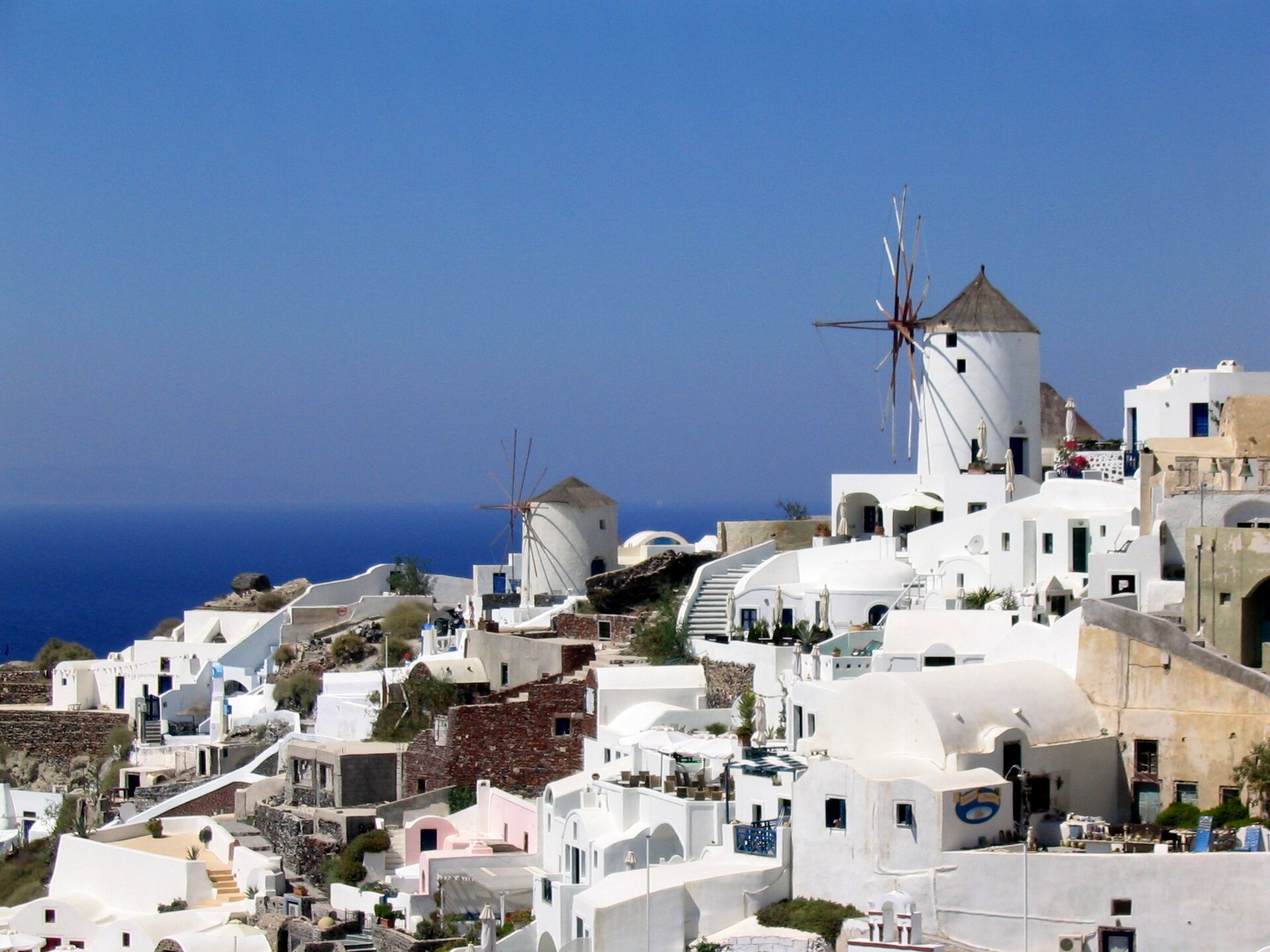
The cliff villages of Santorini hang above a deep, sparkling bay, with white walls and bright blue domes. On Mykonos, windmills stand on a low ridge above the town, and the island sanctuary of Delos lies just across the water.
Milos is known for sea caves that small boats slip into. Naxos has an old town of narrow lanes and a stone gate by the sea. The harbour of Naoussa on Paros is full of fishing boats and small tavernas.
How do Greece tours get you around the Cyclades?
Private tours with a driver-guide or skipper suit couples and families who want their own pace. The booking covers the whole party. Boat cruises with swim stops suit friends who love the sea and a slow day on deck.
Full-day trips from Athens by coach suit first-time visitors with little time. Snorkel and beginner scuba trips suit active solo travelers, while cooking classes and wine tastings suit curious foodies. Greek island hopping strings these ideas together.
What is covered on Greece tours in the Cyclades?
A lunch or a BBQ meal keeps energy high on a long day, and some tours add drinks, even unlimited ones. A licensed or local guide explains what you see, shares lively stories and answers questions on the spot.
Snorkel gear lets beginners enjoy the clear water without extra shopping or fuss. Swim stops and wine tastings add relaxed breaks that slow the day down. Free time to explore lets every traveler wander lanes, shops and beaches at will.
How do you make the most of the Cyclades?
Choose morning departures, because the light is soft and the crowds are thin. Wear shoes with good grip for steep stone lanes and polished steps in the villages.
Pack sun cream, a hat, a light jacket for the deck and a towel. Carry water and a small bag so your hands stay free for photos and snacks.
Which Greece Tours In The Classical Sites Do Travelers Remember?
Travelers remember tours that reach Delphi, Mycenae, Epidaurus and Olympia, because every stop shows a different chapter of the country’s long story. Well-planned Greece tours here turn broken stones into stories that stay with every traveler after the trip.
What do visitors see first in the classical sites?
The sanctuary of Delphi sits on a mountain slope, where people once came to ask the oracle for advice. The clifftop monasteries of Meteora crown tall rock towers above the plain. Both sites feel peaceful and far from city noise.
The citadel of Mycenae guards its Lion Gate, and the theatre at Epidaurus carries every whisper to the top row. Nafplio is a harbour town, Ancient Olympia is where the Games began, and the canal at Corinth cuts through rock.
How do Greece tours get you around the classical sites?
Small guided tours suit solo travelers who want friendly company and a lively guide. Full-day trips from Athens by coach suit visitors with a tight schedule. Guided walking tours suit families who like a story at every stop.
Entry tickets suit travelers who want to explore at their own pace, and couples who like quiet corners. Multi-day tours with hotel nights suit friends who want to reach Delphi and Olympia without the stress of driving.
What is covered on Greece tours in the classical sites?
A licensed or local guide turns old stones into stories. The guide explains who built each site, what it was for and why it matters, and answers questions as you walk. That context makes the sites feel alive.
Entry tickets save time at busy gates, so your day goes to the sites and not to a queue. On multi-day trips, hotel nights remove the stress of booking rooms and give you good rest between long days.
How do you make the most of the classical sites?
Start early, because the sites are cooler and calmer in the morning. Wear sturdy shoes, since paths are uneven and marble is slippery. Leave time to sit and enjoy the views.
Bring water, a hat and sun cream. Keep a light layer in the bag for windy hilltops and cool mountain air. Pack a snack for the road.
Which Greece Tours In Athens Give Good Value?
The best value in Athens comes from tours that join the Acropolis, a museum and old lanes. A guide makes every hour add something new. Smart Greece tours here also leave room for free time to wander alone.
What do visitors see first in Athens?
The Acropolis rises high over the whole city with the Parthenon and the Erechtheion, famous for its stone maidens. Below it, the Acropolis Museum shows statues found on the rock, and the Ancient Agora was the old city’s busy market.
Giant columns mark the Temple of Olympian Zeus beside a busy road. Plaka and Monastiraki offer lanes and a flea market. Lycabettus Hill gives a view of the city, and the Temple of Poseidon at Cape Sounion faces the sea.
How do Greece tours get you around Athens?
Private tours with a driver-guide or skipper suit families and couples who want a personal plan. The booking covers the whole party. Guided walking tours suit solo visitors who want to meet people and hear tales on the way.
Boat cruises with swim stops suit friends who want sea air after a day of stone and sun. Cooking classes and wine tastings suit anyone who wants to taste the city and share a table, not just see it.
What is covered on Greece tours in Athens?
A lunch or a BBQ meal on a cruise saves the hunt for a table, and some tours add unlimited drinks. A licensed or local guide shares stories that no sign explains. Both keep the day easy and calm.
Wine tastings let you try local grapes with a guide who knows the story behind each glass and each vineyard. Swim stops give hot visitors a cool break and turn a city trip into a real seaside holiday.
How do you make the most of Athens?
Visit the Acropolis early or late, when the heat is gentle. Wear comfortable shoes for hills and slippery marble steps. Take a break in the shade between sights to cool down.
Bring water, a hat, sun cream and a phone charger. Save time for the free attractions in Athens, like hills, parks and street life, between guided stops.
Why Book Greece Tours In Crete, Rhodes And Corfu?
Book tours in Crete, Rhodes and Corfu because each big island holds a palace, a castle town or a lagoon. These places are hard to reach alone. Greece tours turn long island days into smooth plans with expert help.
What do visitors see first in Crete, Rhodes and Corfu?
Knossos, beside Heraklion, was the grand palace of an ancient island people, with painted walls and winding stone rooms. The Venetian port of Chania has a lighthouse, pastel houses and busy waterfront cafes, and Balos lagoon glows a soft turquoise.
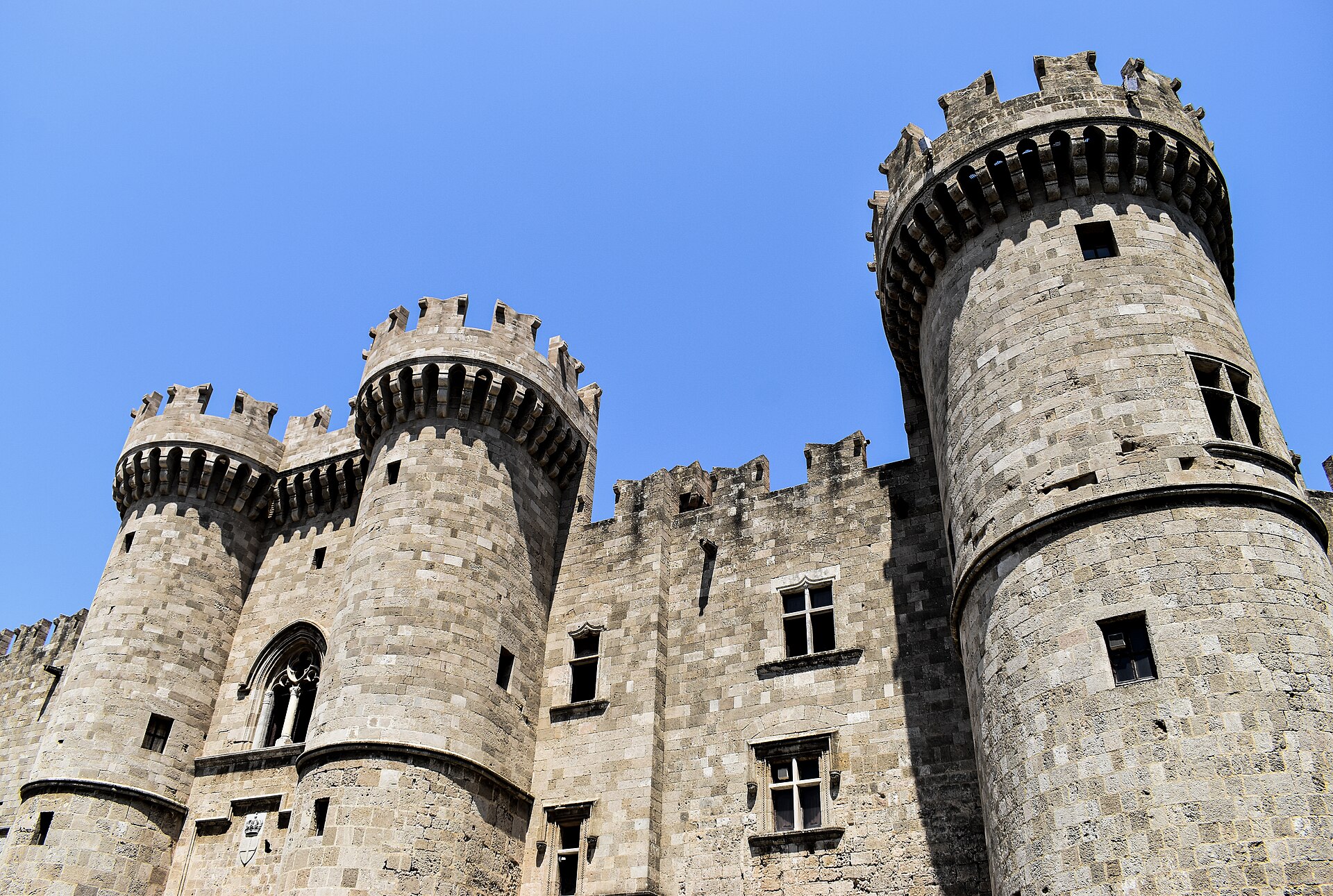
On Rhodes, the Street of the Knights runs between medieval walls, and the acropolis of Lindos watches over a white village. Corfu has grand old fortresses beside the sea, and the Blue Caves of Zakynthos shine a deep, bright blue.
How do Greece tours get you around Crete, Rhodes and Corfu?
Private tours with a driver-guide or skipper suit couples and families who want a flexible day. Boat cruises with swim stops suit friends and solo travelers who love the water. Guided walking tours bring old towns to life.
Full-day trips from Athens by coach suit mainland visitors who want a taste of the islands. Entry tickets suit travelers who like their own pace. Cooking classes and wine tastings suit anyone hungry for local flavour and good company.
What is covered on Greece tours in Crete, Rhodes and Corfu?
A lunch or a BBQ meal brings local taste to the day, and some tours add unlimited drinks on hot days. A licensed or local guide explains the history in plain words and points out details you would miss.
Entry tickets keep castle and palace visits smooth and fast. Wine tastings introduce island grapes, and swim stops let you cool off in clear bays. Together, these extras turn a busy sightseeing day into a relaxed holiday for everyone.
How do you make the most of Crete, Rhodes and Corfu?
Visit big sites in the early morning, before the sun gets strong. Choose a calm sea day for the lagoon and the caves, because smooth water makes boat trips easier.
Pack a hat, sun cream, swimwear and a dry bag for the boat. Travelers who love Corfu add another Ionian island, Kefalonia, to the same trip.
Conclusion: Greece Tours, Planned Well
Greece tours work best when the plan fits the traveler. Couples want calm views, families want easy days, friends want shared laughs, and solo visitors want company and safety. A good tour gives sights, structure and comfort together.
For full control, look at Greece private tours built around your own pace and a local guide. Pick your region, pick your style, and check what is included before you book. Then enjoy the islands, the ruins and the food.
Frequently Asked Questions About Greece Tours
Are Greece tours good for couples?
Yes, couples enjoy sunset cruises, quiet village walks and private tours built around their own pace and mood. Wine tastings and cooking classes add shared moments that feel personal, warm and relaxed, and a guide handles the details.
Which season is quietest for Greece tours?
Winter is the quietest season, with calm sites, short lines and cool air, though some island services slow down. Spring and autumn balance mild weather with fewer visitors than the summer peak, so many travelers book then.
How do you pick the right Greece tours?
Match the tour to your pace, your region, your interests and the people you travel with. Check what is included, from the guide to the tickets and meals, and look for free time to explore in the plan.
Do Greece tours include a guide?
Most include a licensed or local guide who explains each stop, and many add entry tickets, meals and drinks. Ticket-only options exist for travelers who prefer to explore alone, so read the plan carefully before you book.
Can Greece tours be private?
Yes, private tours with a driver-guide or skipper run across the islands and the mainland all season. They suit couples, families and friends who want their own pace and flexible plans, and the booking covers the whole party.
Can Greece tours mix islands and ancient sites?
Yes, many plans pair a stay on the islands with a day at Delphi, Athens or Olympia. Multi-day tours with hotel nights make that mix simple, and a guide explains both the island view and the ancient story.
How early should you book Greece tours?
Book Greece tours as soon as your travel dates are fixed. Summer is the busiest season, and the best guides and day trips fill up first. Quiet seasons leave more flexibility for decisions made closer to departure.
Booking for the busy summer months
Summer brings the largest crowds to the islands and the ancient sites, and the best places go first. Evening trips to the best sunset spots sell out early.
Ferries, accommodation and tour places all tighten up at the same time. Fix the tour dates first, then build the rest of the trip around them.
Beach days are easy to add later. Still, the top beaches in Greece fill up by late morning, so an early start gives more space and calmer water.
Families with school-age children have fewer choices for dates, so they should book Greece tours earliest of all.
Booking for spring and autumn
Spring and autumn bring pleasant weather, softer light and thinner crowds. Travelers can book Greece tours closer to departure and still find good choices.
These cooler months suit walking best. Look at the top hiking trails in Greece early, because guided hill walks take only a few people.
Quiet months also help at the ancient sites, where guides have more time for questions and the stories behind the stones.
Keep one free day in the itinerary. Flexible Greece tours leave room for a weather change, a late start or a long lunch by the sea.
How do couples pick Greece tours?
Couples pick Greece tours by shared interests first and pace second. A few well-chosen activities with free time in between work better than a packed daily schedule. Each partner should name one must-do.
Romantic ways to see the coast
A day on the water suits almost every couple. Quiet coves, a swim and lunch on deck explain why sailing holidays in Greece stay so popular.
Small boats feel calmer and more private than large ferries. Ask the crew about swim stops, shade and the food served before booking.
Sunset sails are the classic choice for two. Many Greece tours add a glass of local wine on board and a slow return to the harbor.
Check the sea forecast before departure, because calm water makes a better first sail for anyone new to boats.
Slow days in old villages
Many couples want a day away from the major sights. Walk the lanes of traditional Greek villages, stop for coffee and chat with the shop owners.
Good photographs make the memory last. These photography tips for Greece tours help with soft morning light, narrow lanes and crowded squares.
Partners with different tastes can divide a day. One visits the museum in the morning, the other enjoys the sea, and both meet for dinner.
Evenings in a village square cost little and feel special. Order a small plate, sit back and watch local life pass by.
Shared meals matter as much as sights. Book a table at a family taverna and let the cook suggest the dishes.
How do you manage tickets for Greece tours?
Check what each tour already includes, then buy separate entry only for what is missing. Keep every ticket on your phone, with one printed copy in your bag. Phone screens can fail in bright sunlight.
Entry to ancient sites
Only state-licensed guides can lead visitors inside Greek archaeological sites and museums. A good plan for Greece tours names the guide and the entry time clearly.
Before you go, read the guide to ancient Greek ruins. It explains what to see and how to visit each site in simple steps.
Wear a hat and comfortable flat shoes, because marble paths are slippery and shade is rare at midday.
Pack light and carry photo ID, because bags are checked at many sites.
A licensed guide turns bare stones into a story, and the signs at many sites are short.
Museums and monuments
Museum entry often runs on its own ticket, so check whether your Greece tours cover it. A combined pass for several sites can save money and time at the entrance.
Plan the art stops with the Greek art and museums guide. It shows what to see, where to go and how to plan the day.
A little background makes each ticket worth more. Read Greek history you should know before the trip.
Then use famous Greek architecture explained to tell one column style from another, and each temple starts to look different.
How do you budget for Greece tours?
Budget for Greece tours by comparing what each includes, not only the headline cost. Entry tickets, meals and transport add up fast, so check them before you compare. Small tours cost more per person.
Where the money goes
Guided time is the biggest cost on most Greece tours. Private guides and small boats cost the most, while shared bus days cost the least.
Extras sit outside the headline cost and change the final bill, so check these items before you compare two offers.
- Entry tickets to sites and museums
- Transfers from the hotel to the meeting point
- Meals, drinks and snacks
- Tips for the guide and the crew
- Gear for extra activities
Saving without losing the best parts
Travel in spring or autumn, when rooms and day trips cost less. Mix paid tours with free days at the beach or in the old town.
Thrill seekers can book one big day of adventure activities in Greece. Kayaking or paragliding costs extra, so keep the other days calm.
Look for tours that start in the morning and end by mid-afternoon. Free evenings let travelers eat where locals eat, which usually costs less than a tourist menu.
Pick one special experience and keep the rest of the trip simple, because that choice protects the budget and the mood.
Ask each operator what happens to Greece tours in bad weather. A clear refund or rebooking rule is worth more than a small saving.
Which Greece tours suit a birthday trip?
Food-led and view-led Greece tours suit a birthday best. A shared meal or a sunset toast turns an ordinary day into a celebration. Tell the guide about the occasion early.
Tasty ways to mark the day
A food tour is a birthday party that walks. Taste cheese, olives and fresh pastry at the food markets to visit in Greece. Then finish with a cake from a local bakery.
Cooking classes and taverna dinners suit shy guests better than loud clubs. Ask the cook to bring out a candle with dessert.
Wine lovers can raise a glass in the popular wine regions in Greece. Vineyards offer tastings in quiet gardens with long views over the hills.
Desserts matter on a birthday. Share a plate of honey cakes and yogurt at a cafe, and let the birthday person take the first bite.
Birthday days out from Athens
A city birthday needs minimal planning. Choose from the day trip ideas from Athens and pick the one that fits the taste of the birthday person.
Coastal temples and hill towns work well for anyone who enjoys history. Ancient stone looks warm and golden in the soft light of late afternoon.
Keep the schedule light on the big day. Choose Greece tours that end in the late afternoon, which leaves the evening free for a proper dinner.
Surprises on Greece tours work best when one person quietly tells the guide the plan. A small cake or card at the last stop costs little and feels personal.
Which Greece tours suit an anniversary?
Quiet island days and slow sea views suit an anniversary best. Choose Greece tours with small boats, long lunches and time to walk hand in hand. Skip the crowded stops.
Island days for two
Many couples start with island tours from Athens, which keep the travel simple and the sea close.
Once the first island feels familiar, add a second one. This guide to how to travel between Greek islands explains ferries, flights and smart routes.
Leave space in each day, because one tour in the morning and a long, quiet evening is enough for most couples.
Sunset boat trips are popular, so reserve a seat in advance. The best Greece tours keep numbers low, so each couple has room to relax on deck.
Anniversary dinners and views
Book a table with a sea view for the night itself. Ask the guide to suggest a family-run taverna instead of a busy tourist spot.
Walks at dusk cost nothing and feel romantic. Pick Greece tours that end near the harbor, so the evening can begin right there.
Small gifts mean more than expensive ones, and a local craft or a bottle of olive oil carries the memory home.
Some couples return to the place where their story began. Greece tours can follow the same path again, with a few new stops added for fun.
Which Greece tours suit a honeymoon?
Private and slow Greece tours suit a honeymoon best. Pick flexible days with scenic travel, comfortable stays and enough free time to rest after the wedding. Keep every plan flexible and easy to change.
Scenic journeys as part of the trip
On a honeymoon, the road can be part of the gift. See the scenic drives in mainland Greece for mountain passes, coast roads and quiet villages.
Prefer to relax and watch the view? The best scenic train rides in Greece pass gorges, bridges and green valleys while you sit back with a coffee.
Hire a driver if the roads feel unfamiliar, so that both partners can enjoy the view.
Slow travel suits newlyweds because nothing needs rushing. A coffee stop in a mountain village can become the best part of the day.
Guided days still help, because a local expert knows the quiet corners and the best table in town.
Gentle, greener stays
Many newlyweds want a light footprint on the trip. Look at eco-friendly accommodations in Greece, where hosts often use solar power, local produce and natural materials.
Quiet villages and small hotels also give more privacy than large resorts. Ask for a room with a balcony and a view of the sea.
Keep one day free for nothing at all. Many honeymoon Greece tours work best with a late breakfast and a slow swim built in.
Sustainable stays also support local families. Newlyweds who choose small hosts spend their money in the villages they visit.
Which Greece tours suit a family reunion?
Greece tours with short walks, shade and stories for every age suit a family reunion best. Grandparents, parents and children should each find something to enjoy. Plan rest stops at every site.
Stories that every age enjoys
Myths make ancient places much easier to understand and remember. Explore the top Greek mythology sites to find gods, heroes and monsters in real places.
Children enjoy a quest, and Greek legends and historical sites give them a map to follow.
Keep the stories short at each stop. A guide who speaks to every age holds the whole family together on Greece tours.
Teenagers like the dramatic stories best. Let them retell the tale of a hero or a monster as the family stands among the ruins.
Sites tied to old legends give every age a reason to look closely. Ask the guide on Greece tours to point out one small detail that children can spot.
Comfort and care for everyone
Relatives of different ages walk at different speeds. Choose a tour with seats, shade and a late start for anyone who tires easily.
Plan one meal where everyone sits together. A long table under a leafy roof makes the best reunion photograph.
Ask the operator about these basics before booking.
- Shade and water at every stop
- Seats at rest points
- Step-free routes where possible
- Meals that suit every age
- A clear meeting point and time
A responsible plan also respects the places being visited. Read about sustainable travel in Greece and choose tours that protect beaches, ruins and village life.
Which places do Greece tours visit?
Greece tours visit famous small islands, ancient mainland sites and the large islands that hold whole regions of history. Most trips mix places from all three kinds. The lists below name the best-known stops.
Islands
Small islands suit beach days, sunsets and slow walks between villages. Ferries link most of them, so one trip can include several, and each has its own mood.
- Santorini, famous for whitewashed villages above a flooded volcano crater
- Mykonos, known for windmills, sandy beaches and lively nights in town
- Naxos, known for long sandy beaches and a huge marble gate
- Paros, known for fishing harbors, whitewashed lanes and easy beach days
- Milos, known for colorful fishing huts and pale volcanic rock coves
Mainland
The mainland holds the temples, theaters and old cities that shaped Western history. Day trips from Athens reach several of them, while others need an overnight stay.
- Athens, known for the Acropolis, old streets and busy food markets
- Delphi, known for its ancient oracle, a priestess who gave advice
- Olympia, known as the birthplace of the ancient Olympic Games
- Mycenae, known for a hilltop fortress and its stone Lion Gate
- Epidaurus, known for an ancient theater with excellent sound
Large islands
These bigger islands hold beaches, mountains and old cities in one place, so they reward a longer stay. Each has its own airport, which makes arrival easy.
- Crete, known for the ancient palace of Knossos and mountain villages
- Rhodes, known for a walled medieval old town built by knights
- Corfu, known for Venetian-style streets, olive groves and green hills
- Zakynthos, known for Shipwreck Beach and bright blue sea caves
How do you plan Greece tours over four days?
Plan Greece tours over four days by starting in Athens, adding one mainland site and ending on an island. This order keeps travel time low and the days relaxed. Each day below has one main goal.
Day one: Athens
Start at the Acropolis early, before the day warms up. Then walk the old streets below it and end with dinner in a lively square.
Athens suits first-time visitors because the main sights sit close together. A short walk links temples, museums and cafes. Comfortable shoes matter more than anything else you pack.
Travelers with more time can stretch the plan into a longer seven-day itinerary through Athens and the islands.
Keep the evening free. A slow dinner of grilled fish, salad and local cheese is a fine end to a busy first day.
Day two: a mainland site
Delphi is the classic choice, with a mountain setting and a famous oracle, where a priestess once answered questions about the future.
Epidaurus and Mycenae also work as day trips. Only state-licensed guides lead visitors inside these sites, so book a licensed guide to hear the stories.
Prefer to plan alone? These self-guided Greece itinerary planning tips show how to organize transport and entry on your own.
Book the guide before the trip, because licensed guides in busy seasons fill their calendars quickly.
Return to Athens by evening and rest. A full day of history feels long, so a quiet night helps before the island travel.
Days three and four: island time
Fly or take a fast ferry from Athens to an island. One island done well beats two islands done in a rush. The sea views start the moment the ferry leaves the port.
Spend the first island day on the beach and the second on a boat trip. Finish with a sunset on the last evening. Swim early when the water is calm, and save the afternoon for shade and a long lunch.
Not sure which island fits? The top Greek islands to visit list describes beaches, villages and nightlife. Check the return ferry or flight the evening before.
On the final morning, take a last swim and a slow coffee. Leave plenty of time to reach the port or airport.
More questions about Greece tours
The most common questions about Greece tours cover tipping, photos, language, access, weather and thanks. Short answers follow for each one.
Is tipping expected on Greece tours?
Tipping is welcome but not required on Greece tours. Many travelers leave a small thank-you for a guide or driver who gave good service. Cash in small notes is easiest. Check whether a tip is already included.
Do Greece tours stop for photos?
Yes, most Greece tours include photo stops at viewpoints, harbors and ancient sites, where the light and the setting are best. Guides also know the best angles, so ask for advice at each stop.
Do Greece tours run in English?
Yes, English is widely offered on Greece tours, and many guides also speak other European languages. Confirm the language when booking, and check it again for audio guides at the sites. Printed leaflets help when the guide speaks quickly.
Are Greece tours suitable for wheelchair users?
Some Greece tours suit wheelchair users well, but many ancient sites have steep paths and uneven stone. Access needs careful checking. Modern museums usually offer ramps and lifts. Ask the operator for step-free routes.
What happens if weather cancels Greece tours?
Operators usually offer a new date, another activity or a refund when wind or storms stop a boat or hike. Read the cancellation terms before you pay, and keep a spare day in the plan.
Can you thank a guide on Greece tours?
Yes, a warm thank-you is always welcome. A kind word at the end of the day means a great deal to a guide. A written note or a kind online comment also helps a guide.
See more in Laura Flowers: